Introduction
If you have tried to lose weight, then you know how overwhelming it can feel with so many diets, contradicting advice, and quick-fix promises, there are a million ways to get lost in the chaos. But attaining Healthy Weight Loss does not need to be complicated and extreme; in fact, most of the time, the simplest way to lose weight is a sustainable lifestyle change that supports both your body and mind.
This guide will provide beginners with a clear and realistic approach that is science-based to lose weight in a healthy manner. At the end of this article, you will understand how to safely lose weight, keep the weight off long term, as well as develop habits for the rest of your life.
What is Healthy Weight Loss?
Healthy Weight Loss is defined as losing weight over time and at a sustainable pace, while retaining the nutrition you eat, your muscle mass, and the overall well-being of yourself. Healthy Weight Loss is focused on the long-term instead of on the short-term (which is what crash diets/extreme restrictions offer).
As a result of adhering to sustainable practices, the rate of safe and realistic weight loss is:
0.5 to 1 kg (1–2 pounds) each week
This weight loss pace will assist with ensuring the body will lose fat (not muscle/water) and will reduce your chance of coming back to your original weight after the weight loss period is completed.
Quick Fixes for Weight Loss Don’t Work
Weight reduction plans that promise quick results can be very appealing. Even though quick fixes can work in many instances, these types of weight reduction regimens typically include negative consequences, such as:
- Losing muscle mass instead of losing fat
- A slower metabolism
- Developing nutrition deficiencies
- Higher levels of craving and binge-eating behaviour
- The possibility of regaining the lost weight
A healthy way to lose weight avoids these consequences by focusing on consistency, balance and creating attainable habits.
The Science Behind Weight Loss
The core concept of weight loss is as simple as “calories in = calories out”, to lose weight, you must burn more calories than you consume (calorie deficit).
However, not all calories are created equal. Quality of food is just as important as quantity. Nutrient-dense foods will fill you up and give you energy; therefore, when possible, choose good food.
Step 1: Set Attainable Goals
Before you get started, you will want to set specific and attainable goals.
SMART Goal Example Set: “5 kg Weight Loss”
S = Specific: Lose 5 kg
M = Measurable: Keep track of your weekly progress.
A = Achievable: Achieve your weight loss in 2-3 months.
R = Relevant: Better your overall health and energy level.
T = Time-bound: Set a date for achievement.
Do not create unrealistic expectations for yourself; you will not achieve perfection, only progress.
Step 2: Focus on Nutrition
Diet has the largest impact on losing weight. You don’t need to be on an extreme diet to lose weight—you just need to make better decisions about what foods you eat.
Increase the Amount You Eat of:
- Vegetables and fruits
- Lean protein (like chicken, fish, eggs, and beans)
- Whole grains (like brown rice, oats, and quinoa)
- Healthy fats (like nuts, seeds, and olive oil)
Reduce the Amount You Eat of:
- Sugar-sweetened drinks and snacks
- Processed foods
- Foods that are fried
- Refined carbohydrates
Portion Size Is Important
Even if the food is healthy, you can gain weight if you eat too much of it. Some things you can do to help you control how much you eat include:
- Using smaller dishes
- Eating slowly
- Listening to your body’s signals of hunger/fullness
Step 3: Stay Hydrated
Water is a very important contributor to Healthy Weight Loss. It helps with:
- Controlling hunger
- Increasing your metabolism
- Helping with digestion
- Decreasing excessive snacking
Try to drink 6 to 8 cups of water daily; drink a cup of water before each meal to help you to eat smaller portions of food at each meal.
Step 4: Incorporate Regular Exercise
Exercise is a key component in burning calories and improving your overall health.
Types of Exercise That Should Be Done Include:
- Cardiovascular Exercise (i.e. helps burn fat)
- Walking
- Running
- Bicycling
- Swimming
- Resistance Training (i.e. will help to increase muscle mass)
- Weight lifting
- Exercises that utilize your own body weight (push-ups, squats)
- Flexibility & Recovery
- Stretching
- Yoga
How Much Exercise Do You Need?
Start Off with 150 Minutes of Moderate Exercise Weekly
You can achieve this by Doing 30 Minutes of Walking 5 days a Week.

Step 5 Sleep
Frequent Sleep Deprivation Can Cause the Following:
- Increased Hunger Hormones
- Lower Energy Levels
- Poor Choices in Foods
You Should Aim for 7-9 Hours of Quality Sleep Every Night.
Step 6 Stress Management
Stress Can Cause Emotional Eating and Weight Gain.
Some Healthy Ways to Manage Your Stress Include:
- Meditation
- Deep Breathing
- Working Out
- Writing in Your Journal
- Being in Nature

Step 7 Track Progress
Tracking Your Progress Can Help You Stay Motivated and Accountable
Examples of Tracking Your Progress:
- Your Body Weight (Weekly)
- Measurements (Waist, Hips)
- Photos of Your Progress
- Improvements in Your Fitness Level
Remember, the Scale Only Tells You Part of the Story. You Can Lose Fat Even If Your Scale Shows No Change.
Step 8: Build Healthy Habits
Creating notable habits will help you to achieve and sustain your long-term goals.
A few examples of healthy habits are as follows:
- Cooking at home more often.
- Walking daily.
- Drinking water instead of sugary drinks.
- Making a habit of eating breakfast each day.
When made gradually over an extended period, small habitual changes can lead to considerable improvements.
Possible Common Mistakes to Avoid
While beginning your journey towards healthy weight loss, here are several common mistakes you should do your best to avoid:
- Skipping meals.
By skipping meals you can slow down your metabolism and ultimately overeat later in the day.
2. Too Much Caloric Restriction
By drastically reducing your caloric consumption, you put your overall health at risk and can cause your weight loss efforts to become unmanageable.
. 3. Relying on Supplements
No pill or powder is going to take the place of a healthy diet and lifestyle.
4. Be Prepared to Wait for Results
Weight loss is a gradual process, so have some patience during the course of your journey.
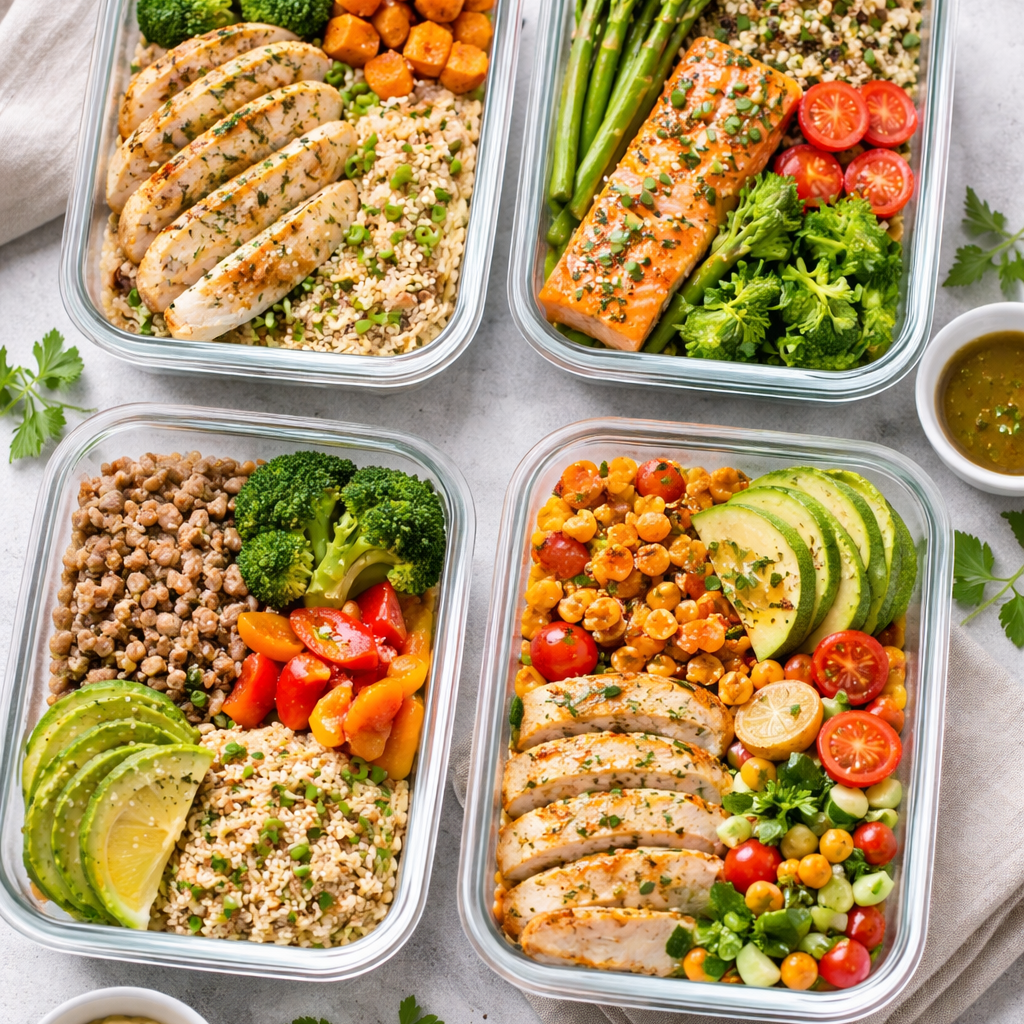
Example Beginner Meal Plan
Breakfast:
Oatmeal (with fruit/nuts) and/or nut butter on a piece of whole grain (e.g., whole wheat) toast)
Lunch:
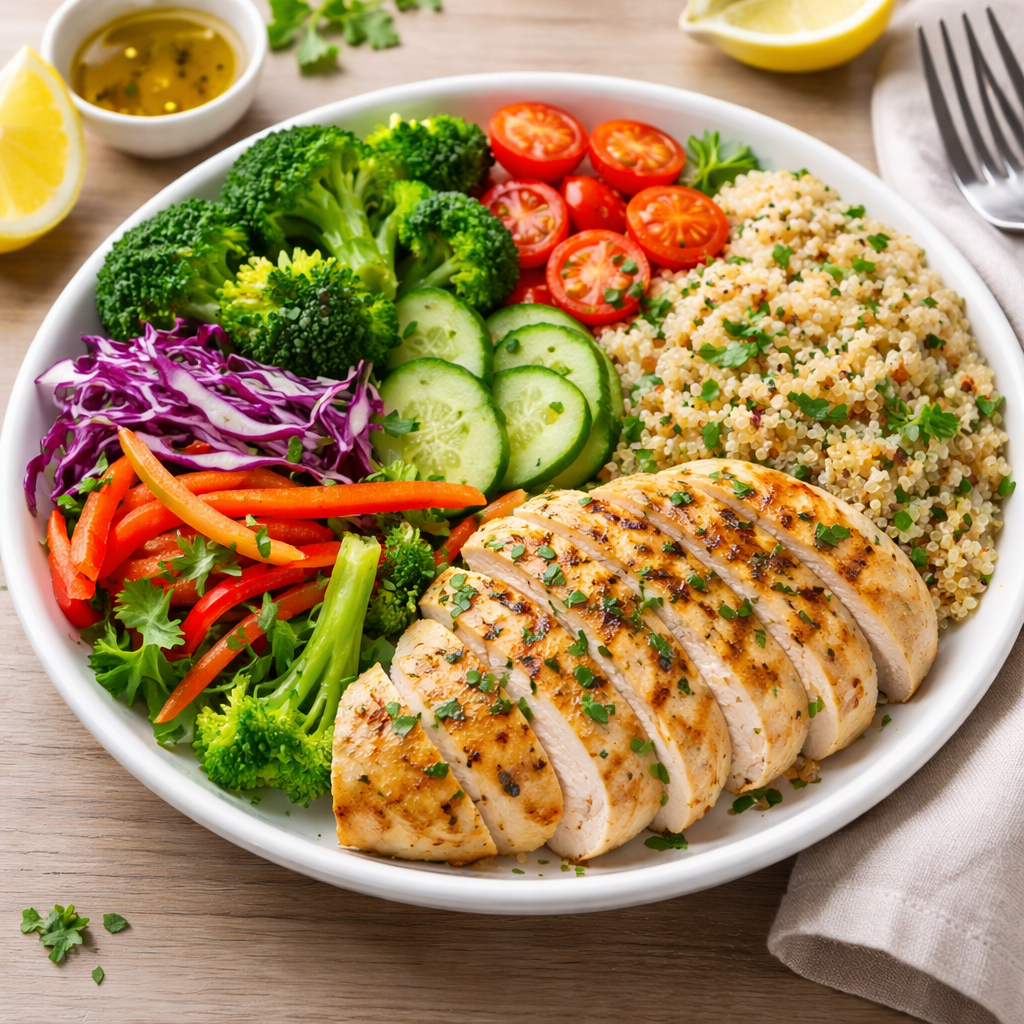
- Grilled chicken with vegetable (mixed greens and/or steamed broccoli) and 1 cup brown rice
Snack:
- yogurt (low-fat, no add sugar) and/or 1 oz nuts (i.e., almonds)
Dinner:
- Grilled fish with 1/2 salad and olive oil.
How to Stay Motivated
Motivation comes and goes; however, discipline will keep you committed to your journey.
Tips to Help Keep You on Track:
- Set small performance based milestones.
- Celebrate your accomplishments along the way.
- Find an exercise partner.
- Always remember why you started the journey.
Why Consistency Matters
Being consistent will always trump being perfect.
If you fail at a goal:
- You should not quit.
- You should re-establish your efforts after the next day.
Achieving and supporting a healthy weight loss is a journey – not a sprint.
Maintenance After Weight Loss
After losing weight, you are faced with the challenge of maintaining your results.
How To Compensate For Weight Loss Maintenance:
- Develop a routine of exercise.
- Maintain your healthy eating habits.
- Track your progress every so often.
- Be aware of portions at meals.
Conclusions
Even though you might think that starting your Healthy Weight Loss journey appears hard, in reality, it can be done if you have the correct attitude and a solid plan in place. Concentrate on making progress rather than being perfect because every little step forward will be significant!