
Introduction
Starting out on a new weight loss journey can be both exciting and overwhelming because there is so much information from different sources (different extreme diets, quick-fixes, etc.) that it is easy to lose track of what actually works. The truth is that healthy and sustainable weight loss does not happen overnight; you will need to change your lifestyle to create an environment conducive to maintaining healthy weight.
So whether you want to lose weight to improve your health or self-esteem or to increase your overall energy level, it is important to take a well-rounded and educated approach in order to achieve lasting results. You can find success by gaining knowledge on basic nutrition, staying physically active, and slowly changing your day-to-day activities.
Weight loss is not easy to accomplish. There are no safe, fast-tracks to reach long-term goals successfully. Many different types of fad diets, detox programs, and meal replacement products exist. Deciding what works best for you in terms of being effective and have long-term weight management can be challenging as an individual!
More than 75% of all adults in the United States aged 20 years old or older are identified as being overweight/obese based upon National Health Organization statistics about adult Americans (the CDC uses the BMI concept; CDC). Over half the individuals in this overweight/obese category are also considered actively trying, but even with those factors present; there will always be some degree of concern regarding healthy lifestyles, as the reality of how people live can lead them to experience difficulty in losing weight.
Any individual who wants to lose weight should consider an approach towards their plan with caution. Health care providers recommend building healthy, realistic, and balanced habits to achieve long-term success and avoid unhealthy results. Starting with a firm foundation will help you significantly through the entire process!
Start with a medical checkup
Before you decide to change your lifestyle significantly, it is a good idea to schedule an appointment with a health care provider for a routine check-up. This check-up will typically include taking blood pressure measurements, calculating body mass index (BMI), checking your heart, and checking for any underlying conditions or health issues like diabetes. This will help you develop a safe and individualized weight-loss plan that meets your health needs.
By taking the time to learn about your current health status, you will give yourself a better chance of being able to follow a diet and exercise program effectively and for a longer period of time.
Use a step-by-step plan and don’t go to extreme measures to lose weight all at once.
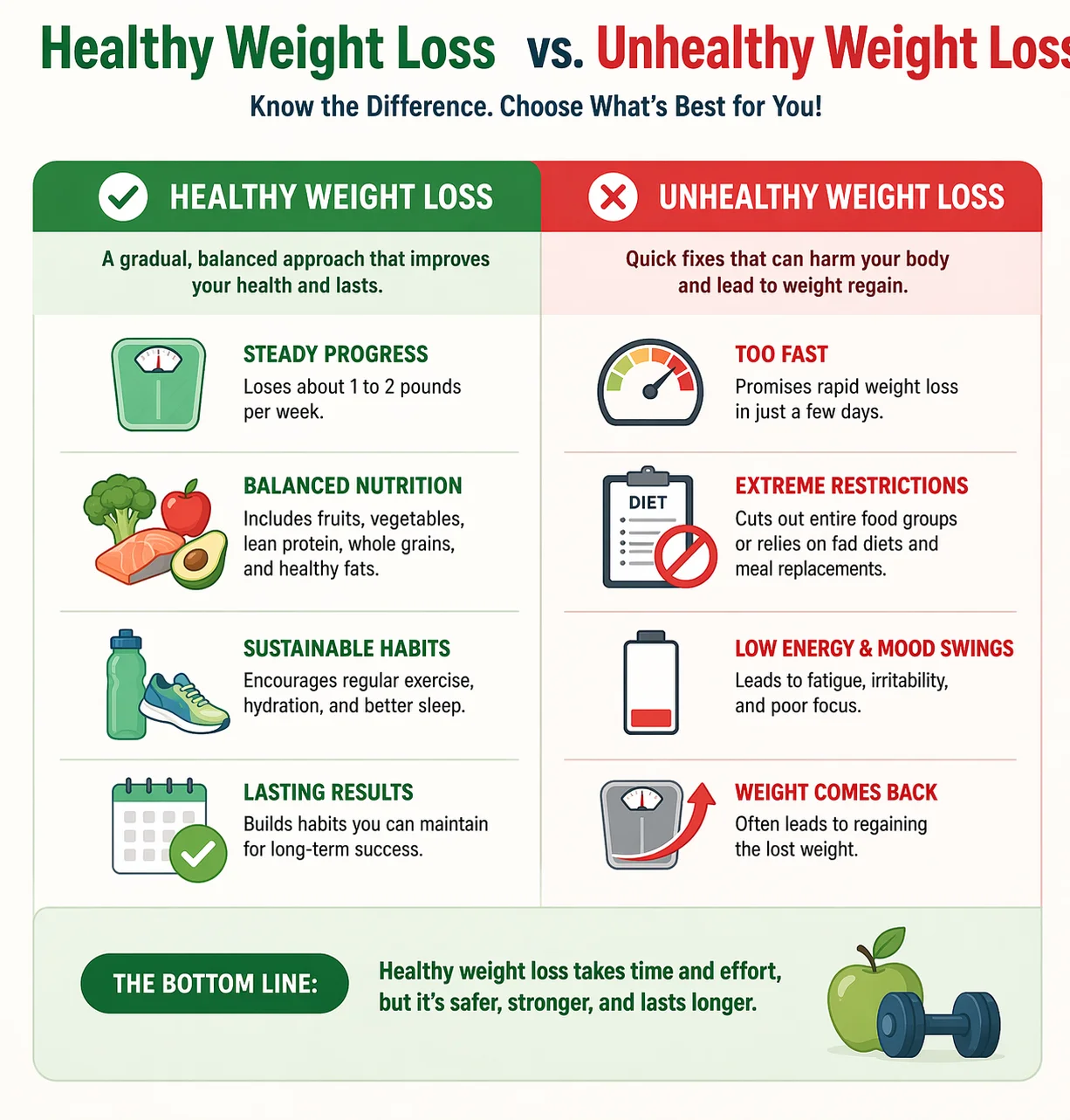
When trying to lose weight, it is best to be gradual or slow about it. If you lose weight quickly with restrictive eating or “crash” diets, you will only have short-term results that do not last; rather, try to lose 1 to 2 pounds per week, which is a more achievable rate of weight loss over time. Instead of worrying about what numbers are showing up each week’s on the scale, it is better to concentrate on developing good habits and continue them every day.
Sustained weight loss comes from making changes in the way you live your life every day (e.g., eating balanced meals and Regularly exercising). A steady lifestyle change will help you sustain any weight lost from a diet that is not successful once you stop them.
What is BMI?
The Body Mass Index (BMI) is the most common measure of weight as a way of estimating if you have a healthy body weight. The BMI is simply calculated by dividing your weight with your height multiplied by itself (or the square of your height). The Body Mass Index does not measure fat directly, but is used as one way to assess risk of future medical problems because of body weight.
The Meaning of the BMI
The BMI is expressed as a number or a group of numbers called “BMI category.” The BMI categories use ranges (like underweight, normal, overweight) to help you find what category you fit into:
- Underweight is less than 18.5
- Normal weight is between 18.5 and 24.9
- Overweight is between 25 and 29.9
- Obese is 30 or higher.
Obesity is generally classified as a body mass index (BMI) of 35 to 39.9 or a BMI of 40 and up (regardless of any other health problems).
It is important to note that not all individuals will consider their BMI accurate. For example, an athlete who has a higher muscle mass will have a higher BMI but very little fat.
The reasons for maintaining a healthy body weight:
There are many reasons to maintain a healthy body weight other than just aesthetics. Maintaining a healthy body weight will help improve your overall health, increase self-esteem, and improve your social and mental well-being. A healthy body weight is also critical to preventing or managing diseases like arthritis, prediabetes or diabetes, elevated cholesterol, elevated triglycerides, and high blood pressure.
In addition, maintaining a healthy body will help to significantly reduce the risk of any life-threatening cardiovascular issues such as heart disease, heart attack, stroke, and others.
Practical tips for Healthy and Sustainable Weight Loss
When you start to lose weight, good habits formed early can really help. Here are some of the main things to keep in mind to help you get on the right track:
- Long-Term Thinking: Focus on improving your health over time, rather than getting quick results & creating health issues for yourself. Sustainable Changes are important because they help to both prevent & keep existing health problems under control.
- Pay Attention to How Your Body Works: Knowing how your body operates and what it requires each day will help you make better choices each day.
- Eat a Balanced Diet: Eat protein, carbohydrates, and healthy fats in your diet; include plenty of fruits & vegetables for their vitamins and fiber, and get help from a nutrition expert if you are confused about where to begin.
- Exercise Regularly: Regular movement burns calories, improves your health overall and can be achieved through enjoyable activities (choose those you love and force yourself to repeat them until they become habit-forming). Mixing things up every so often will help prevent boredom and also keep your workouts more interesting.
- Structured Support might be helpful: Joining a weight loss program can provide: assistance/guidance, personal responsibility/accountability, & individualized strategies developed just for you.
- Create a Caloric Deficit Properly: Eating a well-balanced, lower-calorie diet along with regular physical activities create the caloric deficit necessary for weight loss without slowing down your metabolism.
Things to stay away from when working on losing weight
Restrictive diets usually don’t work. You may lose some weight on popular dieting plans, but many cut back on carbohydrates which are the most important source of energy (especially when you exercise). When you restrict carbohydrates, you almost always increase protein and fat which will put extra stress on your kidneys and increase cholesterol and triglycerides.
Another common problem with dieting is that you will regain the weight once you start adding foods back into your diet; in most cases, that will include carbohydrates. If you don’t do some type of fitness along with the diet, your metabolism may slow down over time making it harder to lose weight.
Get the right support
Having a proper support team will help assure your success during the weight loss cycle. A medical professional can measure how ready you are to make dietary and/or physical activity changes; and a registered dietitian can provide you with a customized nutrition plan that will help you meet your overall health and lifestyle goals.
Using the right combination of balanced nutrition, physical activity, and professional support will allow you to see results that are effective and also last.
Conclusion
The goal of having a healthy body weight does not come to fruition through extreme measures or one-time events but rather through consistent long-term lifestyle changes which include a focus on eating well, getting moving regularly, and developing sustainable ways to be successful at achieving your body’s natural state over time.
Learning about yourself (your body), developing realistic and attainable goals, avoiding quick-fix diets, and seeking out professional assistance when necessary are the best methods for keeping you on track and helping prevent you from compromising your health.
Ultimately, successful weight loss is a journey and not an event. Developing the attitude of patience, persistence, and commitment will not only lead to better weight management; it will also improve your quality of life.